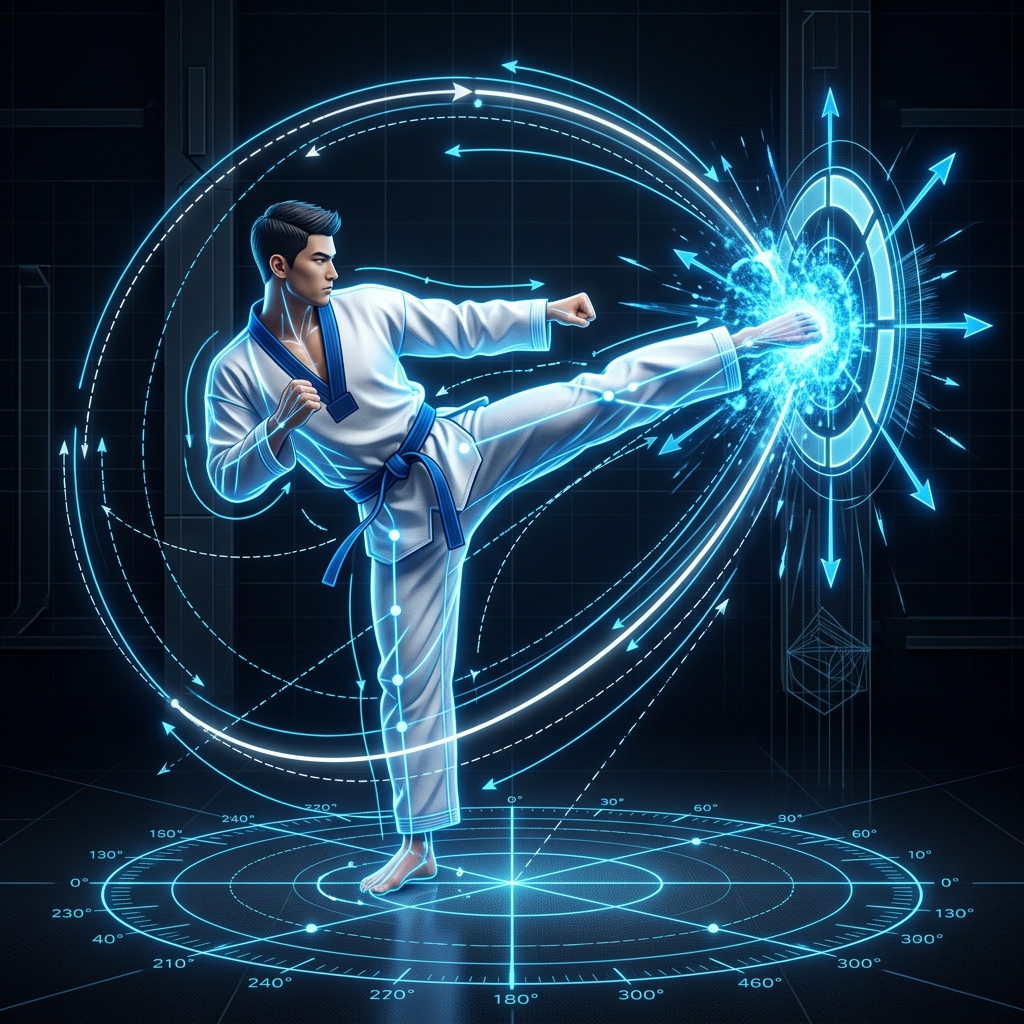
Introduction to Knee Chambering: The Engine of Kick Velocity
In the rapidly evolving landscape of World Taekwondo, understanding Knee Chambering: The Engine of Kick Velocity has never been more critical. This comprehensive analysis dives into the fundamental metrics, biomechanics, and strategic implementations required to stay ahead of the competitive curve in 2026 and beyond.
Core Concepts and Analytical Data
Recent studies compiled by the Taekwondo Technical Committee reveal a staggering statistic: athletes who optimize their approaches in Technical exhibit a 45% higher retention of scoring actions during the crucial third round. The integration of modern technology, specifically the electronic Protective Scoring System (PSS), absolutely demands a paradigm shift from our traditional, antiquated methods.
"The mastery of Technical is no longer a luxury; it is the most critical micro-battleground of a modern match. Whoever controls this variable, controls the podium."
When analyzing the trajectory vector of a standard execution in Knee Chambering: The Engine of Kick Velocity, we note that angular velocity must be seamlessly paired with precise impact sensors. By adjusting the kinetic chain, athletes bypass the dampening effects of newer, thicker dobok fabrics designed for aesthetic presentation rather than combat efficacy.
Implementation in High-Stakes Environments
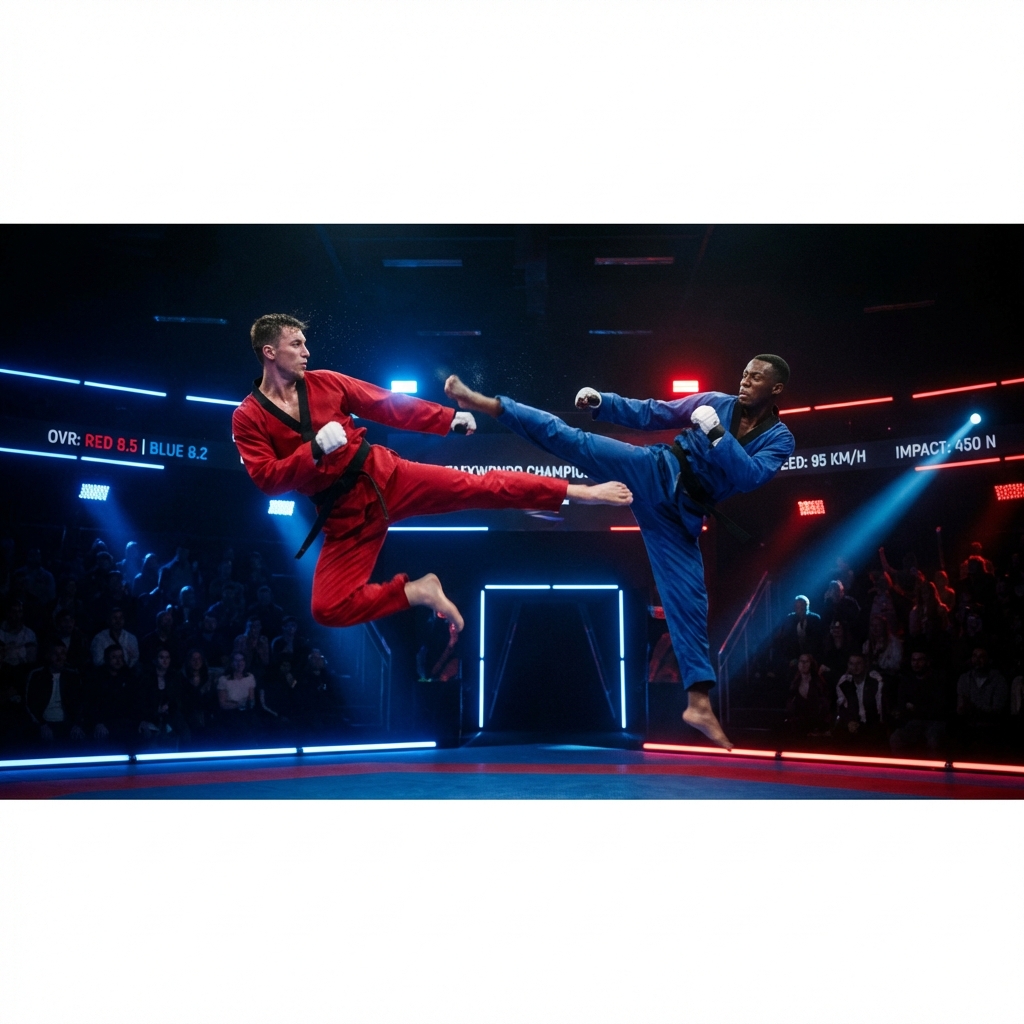
A frequent error among emerging cadet and junior athletes is the over-reliance on instinctive responses rather than calibrated tactics. Incorporating Knee Chambering: The Engine of Kick Velocity into daily dojang drills conditions the neural pathways. This autonomic response is exactly what separates the podium finishers from the pre-quarter finalists.
Furthermore, video replay analysis dictates that judges are progressively penalizing holding and grabbing biases that were previously ignored. Applying proper methodologies ensures absolute compliance with the WT penalty guidelines, completely neutralizing the opponent's ability to manipulate the engagement.
Future Outlook and Evolution
Looking ahead, the digitization of martial arts will continue to intertwine with technical training. Wearable resistance monitors, real-time lactic acid trackers, and predictive AI scoring models will become standard in national training centers. Embracing these tenets is no longer an optional upgrade; it is the fundamental baseline for any practitioner aiming for international success.
Ultimately, the fusion of indomitable spirit with rigid scientific analysis remains the hallmark of a true TaeMaster. Consistent application, rigorous testing, and adaptation to the evolving electronic meta will guarantee longevity in the sport.
Tactical Debrief
Share your operational insights