The Hardware Bottleneck of VR Combat
As Virtual Taekwondo (VTKD) aggressively moves from the exhibition stage to active competition at the 2027 SEA Games, national foundations and high-end dojangs are scrambling to procure the correct hardware. While the AXIS motion nodes (provided by Refract Technologies) are proprietary, the visual output requires third-party Virtual Reality (VR) headsets.
However, throwing high-velocity spinning kicks while blindfolded to the real world places extreme demands on headset hardware. If you attempt to run VTKD on a budget headset, the resulting latency, field-of-view (FOV) restrictions, and weight distribution will not only ruin your performance—it will induce severe nausea.
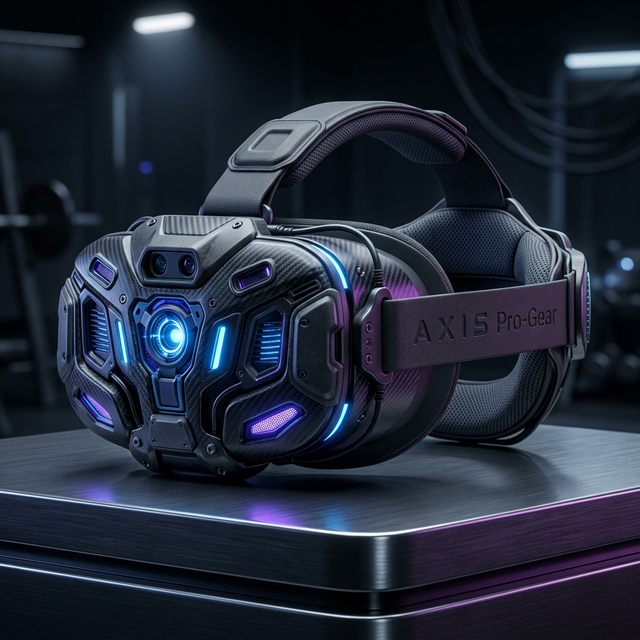
The Big Three Factors: Refresh Rate, Weight, and Passthrough
Before reviewing specific models, we must define the critical specifications for combat VR:
- Refresh Rate (Hz): This is non-negotiable. To accurately track a foot traveling at 60 km/h in digital space without motion blur, the headset must operate at an absolute minimum of 90Hz, with 120Hz being the competitive standard. Anything lower creates visual 'ghosting'.
- Weight Distribution: Taekwondo involves violent head snapping (spotting your target during a spin). A front-heavy headset will create massive neck strain and leverage you off-balance during a tornado kick. The battery must be mounted on the rear strap to act as a counterweight.
- Peripheral FOV: In traditional Kyorugi, you rely heavily on peripheral vision to detect the opponent's chambered back leg while staring at their chest. A narrow FOV in VR creates 'tunnel vision', making you highly vulnerable to wide-looping kicks (like crescent kicks).
1. The Current Standard: Pico 4 Enterprise
Currently, the Pico 4 series is heavily favored in official VTKD demonstrations. The reason is primarily form factor. It utilizes 'pancake lenses', which drastically reduces the physical thickness of the visor, moving the center of gravity much closer to the athlete's face.
Pros: Excellent balance during spinning techniques; very breathable face gasket for heavy sweating; high-resolution 4K+ displays.
Cons: The default strap can slip during extreme vertical bouncing, requiring aftermarket tightening modifications.
2. The Premium Alternative: Meta Quest 3
The Meta Quest 3 is arguably the most powerful standalone headset available to the public. It features superior mixed-reality passthrough (allowing athletes to safely navigate the physical mat before the match starts without taking the headset off) and slightly superior refresh rate stability.
Pros: Incredible hardware processing overhead guaranteeing zero dropped frames; best-in-class hand-tracking backup; extremely wide FOV.
Cons: Heavier than the Pico 4; the default fabric strap is entirely useless for combat sports and must immediately be replaced with a rigid elite strap containing a battery counterweight.
3. The PC-VR Tethered Option: Valve Index
While wireless standalone headsets are the clear future of the sport due to freedom of movement, some dedicated training labs utilize tethered PC-VR systems seamlessly mounted to ceiling pulleys to guarantee absolute zero-latency frame generation.
Pros: Operates at a staggering 144Hz refresh rate, providing visual fluidity that perfectly mimics real life; incredible audio.
Cons: A physical cable connecting the head to a ceiling rig restricts extreme evasive diving; expensive setup requiring a high-end PC rendering beast nearby.
Conclusion: Dress for the Digital Mat
For dojangs looking to implement a VTKD testing lab, the Pico 4 remains the most viable entry point for combat sports specifically due to its aggressive weight reduction and pancake optics. However, always budget an additional $50-$100 for heavy-duty, sweat-resistant silicone face gaskets and rigid skull straps. In the digital octagon, your headset is your only lifeline—do not cheap out on the optics.
Tactical Debrief
Share your operational insights